
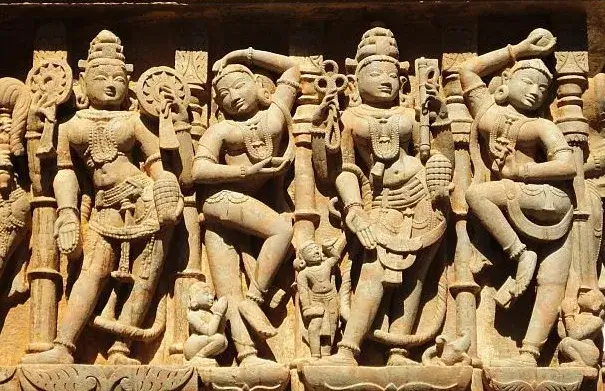
If you have ever seen a Hindu statue, you know they possess a special allure. These statues are not only aesthetically beautiful but also carry deep spiritual meaning. In this article, we dive into the mystical origins of these fascinating artworks and discover why they play such an important role in Hindu culture.
The Meaning of Hindu Gods and Goddesses
Hindu statues often represent gods and goddesses from the Hindu pantheon. Each statue has its own unique symbolism and meaning. For instance, Ganesha, the god with the elephant head, is known as the remover of obstacles and is often worshipped at the start of new ventures. Lakshmi, the goddess of wealth and prosperity, is often depicted sitting on a lotus and is a symbol of purity and abundance.
Symbolism in Hindu Sculpture
The details in Hindu statues are not merely decorative; they all have a deeper meaning. The many arms of some gods symbolize their ability to perform multiple tasks simultaneously. The attributes they hold, such as weapons or flowers, represent different aspects of their powers and responsibilities.
History of Hindu Art
The art of making Hindu statues goes back thousands of years. This tradition began in the ancient civilizations along the Indus River and developed over the centuries. The statues were originally made for temples and shrines, where they served as objects of worship.
Traditional Indian Sculptures
The techniques used to create these statues are often passed down from generation to generation. Many Hindu statues are still handmade by artisans using age-old methods. This ensures that every statue is unique and carries a piece of history within it.
Materials and Techniques for Making Statues
Hindu statues can be made from various materials such as stone, wood, bronze, or clay. Each material has its own unique properties that contribute to the look and durability of the statue.
Bronze Casting
A popular technique is bronze casting, where molten bronze is poured into a mold to create detailed statues. This method was already used in ancient civilizations and is still valued for its precision and durability.
Wood Carving
Wood carving is another traditional technique where artisans carve intricate patterns and figures from wood. These statues often have a warm appearance and are appreciated for their craftsmanship.
Rituals and Traditions in Hinduism
Hindu statues play a central role in many rituals and traditions within Hinduism. They are often used during puja (worship) ceremonies where devotees offer items such as flowers, fruit, or incense to the gods.
Temple Statues
In temples, you often find large statues that serve as a focal point for worship. These statues are cared for daily by priests who perform rituals to appease the gods.
Spiritual Artworks for the Home
More and more people are discovering the beauty and spirituality of Hindu statues for use in their own homes. Whether you are looking for a decorative piece or something to help with your meditation practice, these statues can be a valuable addition to your living space.
Interior Decoration
Hindu statues are becoming increasingly popular as decorative elements in homes around the world. They bring not only beauty but also a sense of peace and spirituality to any space where they are placed.
If you are interested in adding such a spiritual artwork to your collection, you can learn more about hindu statues through specialized sources offering authentic pieces.
By understanding what these statues represent and how they are made, you can truly appreciate their value. Whether you are a collector or simply someone looking for more spirituality in your home, Hindu statues offer something unique that is both visually appealing and profoundly meaningful.